


Top 10 Most Common Car Breakdown Causes & How To Avoid Them
Car breakdowns happen when we least expect them, often at the most inconvenient times. But what if you could avoid many of these frustrating situations with a little bit of foresight? Understanding the common car breakdown causes can help you take preventative measures, saving you both time and money on repairs.
In this guide, we’ll dive into the top 10 most common reasons cars break down and what you can do to avoid them. Plus, we’ll explain how purchasing a reliable used car from Prime Vehicle Sales can reduce your chances of experiencing these problems.
Why Preventative Care Matters
Taking care of your vehicle is the best way to extend its lifespan and avoid unexpected breakdowns. Regular maintenance helps you identify potential issues before they escalate, keeping you safe on the road and helping you avoid costly repairs.
Here are the top 10 most common car breakdown causes and how to prevent them.
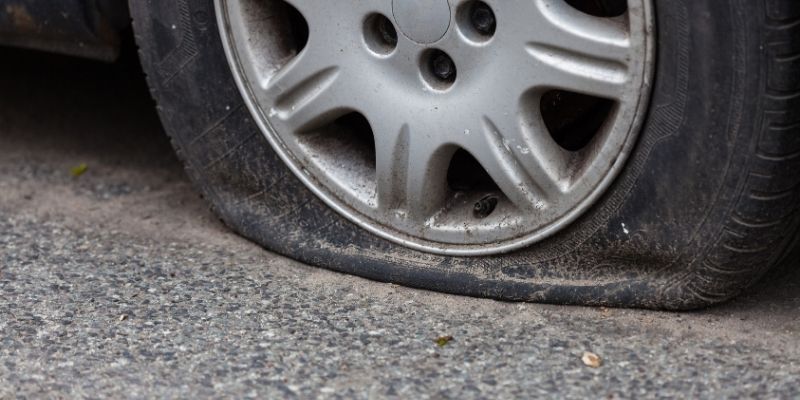
#1 Flat Or Damaged Tyres
Flat tyres are one of the most common breakdown causes and can be caused by under-inflation, worn tread, or debris on the road. If your tyres are not properly inflated or have worn down, they are more likely to blow out, leaving you stranded.
How To Avoid:
Check tyre pressure regularly, especially before long trips.
Inspect tyres for uneven wear and ensure the tread depth is sufficient.
Keep a spare tyre and tools in your car for emergencies.
#2 Battery Failures
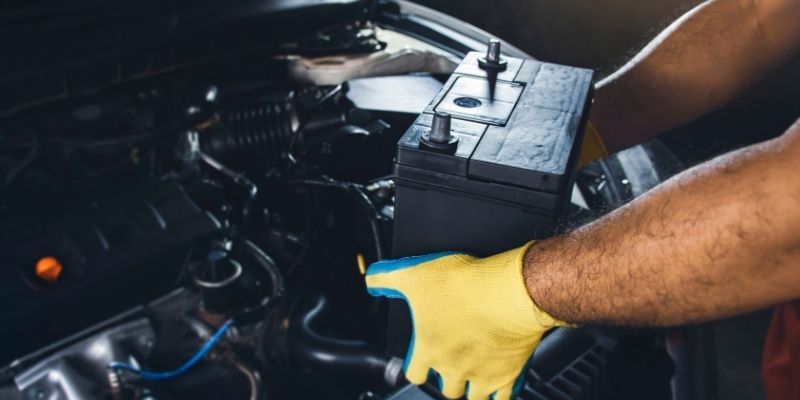
Batteries can fail due to age, extreme temperatures, or poor maintenance. If your battery dies, your car won’t start, leaving you in need of a jump-start or replacement.
How To Avoid:
Check your battery’s charge level and clean any corrosion from the terminals.
Replace your battery every 3-5 years or when you notice slower starts.
Be mindful of warning signs like dim headlights or sluggish electronics.
#3 Engine Overheating
Engine overheating can be caused by low coolant levels, a blocked radiator, or faulty fans. Ignoring these issues can result in significant engine damage.
How To Avoid:
Regularly check your car’s coolant levels.
Ensure your radiator is clean and the cooling fans are working.
Address any overheating issues promptly before they escalate.
#4 Fuel System Issues
Fuel-related breakdowns can happen due to misfuelling, faulty fuel pumps, or clogged filters. These problems can stop your car from running smoothly or prevent it from starting altogether.
How To Avoid:
Double-check you’re using the correct fuel (petrol or diesel).
Have your fuel filters replaced according to your car’s maintenance schedule.
Pay attention to fuel pump warning signs, like sputtering or difficulty starting.
#5 Alternator Failures
The alternator is responsible for keeping your battery charged and powering the electrical systems. If it fails, your battery will drain quickly, leading to electrical issues and a stalled engine.
How To Avoid:
Look out for signs like dimming headlights or warning lights on your dashboard.
Have your alternator checked if you notice electrical problems.
Replace the alternator when recommended by your mechanic.
#6 Starter Motor Failures
A faulty starter motor means your car won’t start at all. This issue is often accompanied by grinding noises or a slow engine crank when turning the key.
How To Avoid:
If you notice grinding noises or slow starts, have your starter motor checked.
Don’t ignore signs of starter trouble, as the problem can worsen over time.
Replace the starter motor as part of routine maintenance if needed.
#7 Transmission Problems
Transmission issues can be caused by low fluid levels, worn-out parts, or poor maintenance. These problems often manifest as difficulty changing gears or strange noises, leading to breakdowns if ignored.
How To Avoid:
Regularly check your transmission fluid levels and quality.
Have your transmission serviced and inspected for worn components.
Pay attention to gear shifting issues or unusual noises, as these are early warning signs.
#8 Ignition System Failures
The ignition system, including spark plugs and ignition coils, is crucial for starting your car and ensuring smooth performance. If these components fail, your car may not start, or it may run poorly.
How To Avoid:
Replace spark plugs and ignition coils according to your car’s service schedule.
Watch for signs like rough idling or difficulty starting the car, as these can indicate ignition problems.
#9 Electrical Problems
Electrical failures such as blown fuses, faulty wiring, or malfunctioning sensors can cause various problems, from dead batteries to a completely inoperable car.
How To Avoid:
Regularly inspect your car’s electrical system for signs of wear or corrosion.
Be proactive if you notice flickering lights, malfunctioning electronics, or warning lights.
Replace faulty fuses and wiring as part of regular maintenance.
#10 Worn Timing Belt
The timing belt is essential for synchronising your engine’s moving parts. If it wears out or breaks, your car may experience catastrophic engine failure, leaving you stranded with a hefty repair bill.
How To Avoid:
Replace your timing belt as per your manufacturer’s recommendations, usually every 60,000 to 100,000 miles.
Listen for unusual noises or difficulty starting, which can indicate a timing belt issue.
Conclusion
By understanding and addressing these common car breakdown causes, you can take proactive steps to keep your vehicle running smoothly and avoid inconvenient, costly breakdowns. Regular maintenance and attention to warning signs are key to preventing these issues.
Looking for a reliable used car in Huntingdon? Visit Prime Vehicle Sales today, check out our stock and find your next vehicle with peace of mind!
Other Related Articles: