

How often should you check your oil level?
Keeping an eye on your car's oil level is a simple yet crucial task for maintaining vehicle health. Despite common misconceptions, regular oil checks can prevent significant engine damage and ensure your car runs smoothly. This guide will walk you through the importance, methods, and frequency of checking your oil level, especially for beginners and new drivers.
Importance Of Regular Oil Checks
Benefits Of Regular Oil Checks:
Enhanced Engine Performance: Regular oil checks help maintain optimal engine performance by ensuring proper lubrication.
Increased Longevity: Clean and sufficient oil reduces wear and tear, extending the engine's lifespan.
Better Fuel Efficiency: Well-lubricated engines operate more efficiently, saving fuel and money in the long run.
Consequences Of Neglecting Oil Checks:
Engine Damage: Insufficient or dirty oil can lead to overheating and severe engine damage.
Decreased Fuel Efficiency: A poorly lubricated engine works harder, consuming more fuel.
Costly Repairs: Regular oil checks can prevent expensive repairs caused by engine failure.
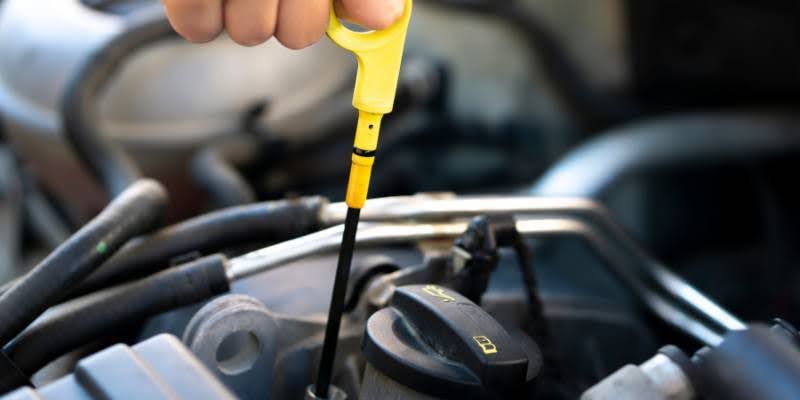
How To Check Oil Level
Now we’ve discussed how often your oil needs checking, you may be thinking ‘How do I check my oil?’ Follow our step by step guide to ensure you’re checking correctly and giving your vehicle that all important TLC.
Tools Needed:
Clean cloth or paper towel
Gloves (optional)
Tips For Accurate Readings:
Check the oil when the engine is cool.
Ensure the dipstick is fully inserted for a correct measurement.
Step-By-Step Guide:
Park on level ground: Ensure your car is on a flat surface for an accurate reading.
Turn off the engine: Let the engine cool for a few minutes.
Locate the dipstick: Refer to your owner's manual if needed.
Pull out the dipstick: Wipe it clean with a cloth.
Reinsert and remove: Fully insert the dipstick and pull it out again to check the oil level.
Read oil dipstick level: The dipstick will have markers indicating 'Full' and 'Low'. The oil level should be between these markers.
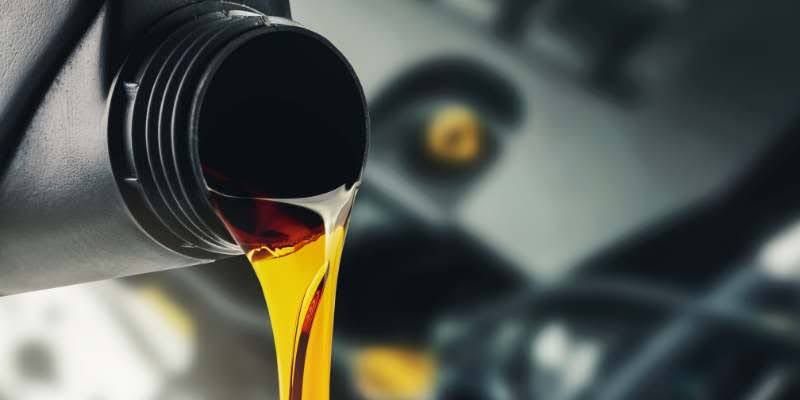
Check oil colour: Healthy oil is amber and clear. Dark, dirty oil indicates it’s time for a change.
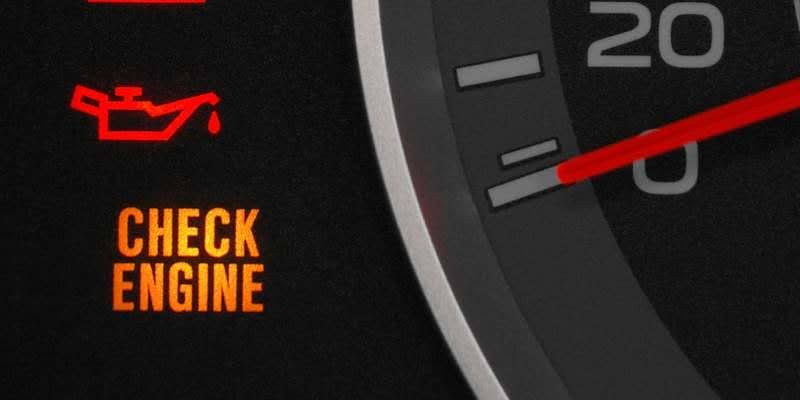
Signs Your Car Needs An Oil Check
Warning Lights: Pay attention to oil or engine warning lights on your dashboard.
Unusual Engine Noises: Knocking or grinding sounds can indicate low oil levels.
Poor Engine Performance: If your car is sluggish or struggling, it might need an oil check.
Recommended Frequency for Different Types of Cars
New Cars: Every 1,000 miles or once a month.
Older Cars: Every 500-1,000 miles, older engines tend to burn more oil.
High-Mileage Vehicles: More frequent checks, around every 500 miles.
Electric and Hybrid Cars: These cars have different maintenance needs; refer to the owner’s manual.
Common Mistakes When Checking Oil
Inaccurate Readings: Ensure the car is on level ground and the engine is cool.
Improper Dipstick Usage: Wipe the dipstick clean before reinserting it for an accurate measurement.
Neglecting Regular Checks: Make oil checks a routine to avoid potential issues.
So, next time you think, "I should check my car engine oil," remember these tips to guide you through the process. Remember, taking a few minutes to check your engine oil can save you from costly repairs and keep your vehicle running efficiently. Don't wait for warning signs; make oil checks a habit and keep your car in top condition.
Read More: 5 Benefits of Paint Protection on Your Vehicle