

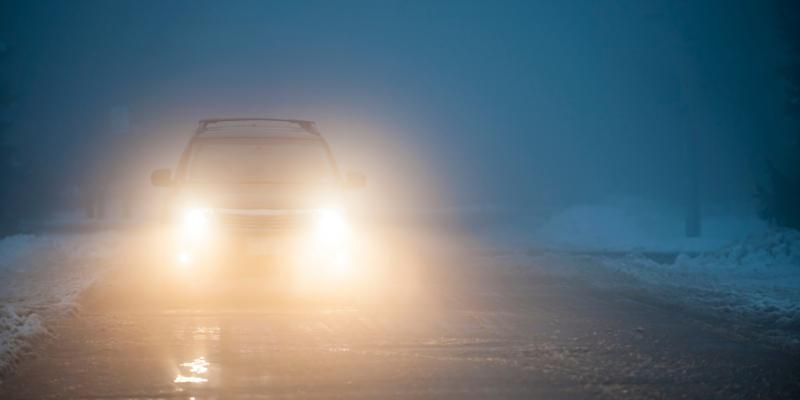
Driving In The Dark: Our Top 10 Safety Tips
Driving in the dark can be significantly more dangerous than during the day, with reduced visibility and increased risks of accidents. According to this article from the Royal Society for the Prevention of Accidents (RoSPA), young male drivers aged 17-20 are 17 times more likely to be involved in a collision between 2am and 5am than all male drivers. To help you stay safe on the road, especially during these dangerous hours, we've compiled 10 essential tips for driving in the dark. Whether you're a new driver or simply looking to brush up on your night driving skills, these tips will help you navigate the roads safely. Let’s dive into the top tips for night-time driving.
#1 Ensure Your Lights Are Working Properly
Fully functioning headlights, taillights, and indicators are critical when driving in low-light conditions. Check that all your lights are working before you start your journey, as they are your first line of defence in the dark. Not only do they help you see, but they also ensure other drivers can see you.
Top tip - Keeping spare bulbs in your car can save you if a light fails unexpectedly.
#2 Use Your High Beams Wisely
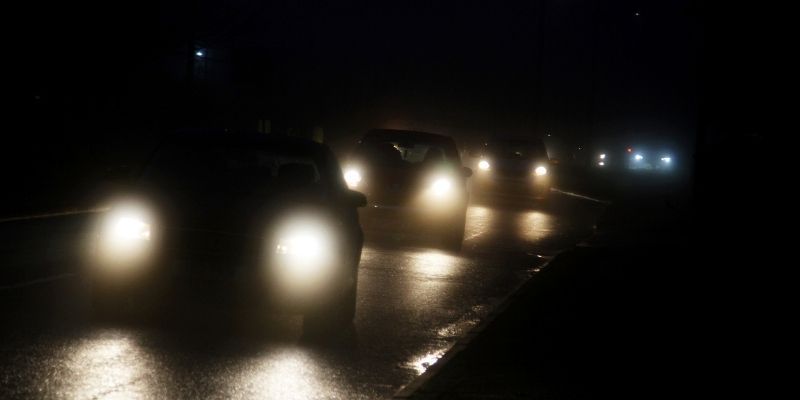
High beams are a valuable tool for enhancing visibility on dark, rural roads, but they should be used with caution. Use them in areas with no street lighting, but remember to dim them when another vehicle approaches or when following closely behind another car. Misusing high beams can blind other drivers and is illegal in some areas.
Stay informed about high beam laws to avoid penalties and maintain safety for everyone on the road.
#3 Keep Your Windshield Clean
A clean windshield is essential for safe driving at night. Dirt, grime, and smudges can cause light from oncoming cars to scatter, reducing your ability to see clearly. Regularly cleaning the inside and outside of your windshield will improve your visibility and reduce glare.
Here’s a quick guide to ensure you have a clean windshield:
Use a quality glass cleaner and microfibre cloth.
Clean both inside and outside to remove any streaks or dust.
Replace your wiper blades if they aren’t clearing your windshield properly.
#4 Adjust Your Mirrors To Reduce Glare
Bright lights from cars behind you can be disorienting and even dangerous. Properly adjusting your side and rearview mirrors can help minimise glare. Many modern vehicles also come with anti-glare or auto-dimming mirrors. Make sure to adjust your mirrors before setting off.
#5 Drive Slower Than Usual
Night-time driving requires extra caution. Reduced visibility means you have less time to react to potential hazards. Slowing down gives you more time to spot obstacles like pedestrians, wildlife, or road debris. Adjust your speed based on the road conditions, especially in poorly lit areas.
#6 Keep A Safe Distance From Other Vehicles
When driving in the dark, it’s harder to judge distances. To compensate, increase the distance between your car and the vehicle in front. This extra buffer gives you more time to react if the car ahead brakes suddenly. A good rule of thumb is to keep at least a 3-second gap, but in poor conditions, aim for a 5-second gap.
#7 Stay Alert For Wildlife & Pedestrians
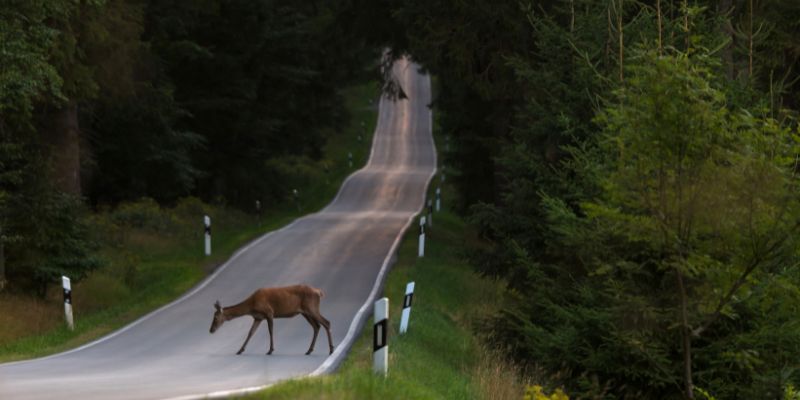
When driving through rural areas or poorly lit residential streets, always stay alert for wildlife and pedestrians. Many animals are more active at night and may cross roads unexpectedly. Use your high beams in rural areas to increase your visibility, but always be prepared to brake in case something suddenly appears on the road.
#8 Use Fog Lights When Appropriate
Fog can significantly reduce visibility and make night driving even more challenging. If the weather turns foggy, use your fog lights to cut through the mist. However, fog lights should only be used when visibility drops below 100 metres, and they should be turned off once the fog clears to avoid dazzling other drivers.
Check out our previous blog on when to use fog lights for a more detailed guide.
#9 Avoid Drowsy Driving
Fatigue is one of the biggest dangers when driving at night. If you feel drowsy, it’s essential to take regular breaks. A short nap, a stretch, or even some fresh air can help revive you. Here are a few more tips for staying alert:
Drink plenty of water to stay hydrated.
Avoid heavy meals before driving.
Pull over and rest if you feel tired.
#10 Regularly Service Your Vehicle
Regular vehicle maintenance ensures that all safety features—such as lights, brakes, and tyres—are functioning correctly. Before driving at night, make sure your car is road-ready. A well-maintained vehicle is key to safe driving, especially in low-visibility conditions.
Conclusion
Driving in the dark presents a unique set of challenges, but by following these top 10 tips, you can reduce the risks and drive confidently. From ensuring your lights are fully operational to staying alert for wildlife, these simple but effective measures will make a big difference to your safety.
If you’re considering upgrading to a vehicle with the latest safety features, why not explore our range of high-quality used cars at Prime Vehicle Sales? Explore our stock online today, or visit us in person to find your next reliable car. Safe driving, and remember: driving in the dark doesn’t have to be daunting if you’re prepared!
Other Articles You May Find Helpful: