

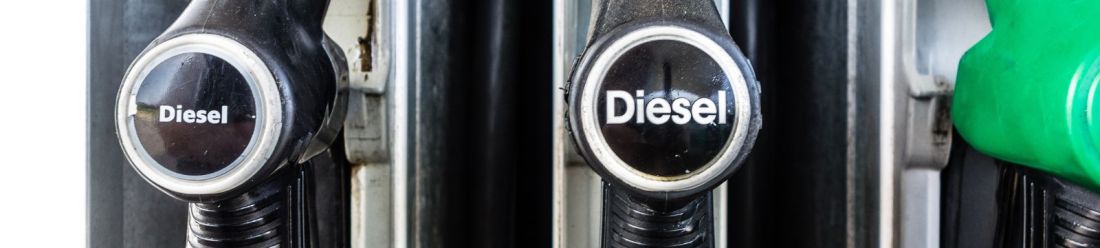
Should I Buy A Diesel Car In 2024 & Beyond
In recent years, diesel cars have faced increasing scrutiny due to environmental concerns and evolving regulations. Despite this, diesel cars remain a compelling option for many drivers, offering distinct benefits for those who frequently cover long distances or need robust towing capacity. However, with the shift toward electric vehicles (EVs) and hybrids, some drivers are left wondering, "Should I buy a diesel car in 2024 in the UK?" In this article, we’ll weigh the pros and cons to help you make an informed decision.
Should I Buy a Diesel Or Petrol Car??
Current State Of Diesel Cars
In the past, diesel cars were celebrated for their efficiency and performance, especially for long-distance travel. However, as environmental awareness has increased, so has scrutiny on diesel engines due to their higher nitrogen oxide (NOx) emissions, which contribute to air pollution.
In the UK, regulations are becoming stricter, with low-emission zones and diesel restrictions in several urban areas. While diesel cars can still be an excellent choice for some, the decision largely depends on your specific needs and how you intend to use the vehicle.
Benefits Of Buying A Diesel Car
Despite some challenges, diesel cars offer significant advantages that keep them relevant in today’s market.
1. Fuel Efficiency
Diesel engines are typically more fuel-efficient than petrol engines, making them ideal for long-distance drivers. If you regularly commute over longer distances, a diesel vehicle can save you money on fuel, as diesel cars generally achieve higher miles per gallon (MPG).
2. Torque & Performance
One of the standout features of diesel engines is their high torque, which provides excellent performance for tasks requiring heavy lifting, such as towing. This makes diesel cars and SUVs particularly popular with families, businesses, and those who require a vehicle with substantial pulling power.
3. Longevity & Durability
Diesel engines are often built for endurance and can have a longer lifespan than their petrol counterparts. Many diesel car owners report getting more mileage out of their vehicle, and when well-maintained, diesel engines can be reliable for years.
Drawbacks Of Diesel Cars
When asking "Should I buy a diesel car?" It's essential to consider some key drawbacks as well:
1. Environmental Concerns
Diesel engines release more NOx and particulate matter than petrol engines, leading to greater air pollution. As awareness grows, some cities are introducing stricter emission standards, potentially restricting access for diesel vehicles to certain areas.
2. Potential Costs
Diesel cars generally have a higher upfront cost than petrol cars, and while they may save on fuel costs, they can incur additional expenses in terms of maintenance. Diesel engine repairs can be pricier due to the complexity of diesel technology, and certain cities may charge higher congestion fees for diesel cars in restricted areas.
3. Future Regulations
With countries increasingly moving toward zero-emission goals, diesel cars face more regulatory restrictions. For example, in the UK, by 2030, sales of new petrol and diesel cars will be banned, although second-hand diesel cars will still be available. However, it’s essential to consider these future regulations and their potential impact on resale value.
Alternatives To Diesel Cars
For those weighing up, "should I buy a petrol or diesel car?" There are several alternatives worth considering, especially as we move closer to a low-emission future.
Petrol Cars
While petrol engines may lack the torque of diesel engines, they typically produce less NOx, making them slightly more environmentally friendly. They’re also generally cheaper to buy and maintain, making petrol a good option for those who drive shorter distances or primarily use their vehicle in cities.
Hybrid Vehicles
Hybrids combine an internal combustion engine with an electric motor, offering better fuel efficiency and reduced emissions. They’re an attractive middle ground for drivers who aren’t ready to go fully electric but want a more eco-friendly option than diesel or petrol alone.
Electric Cars
Electric vehicles (EVs) are the most environmentally friendly option, producing zero emissions and benefiting from government incentives, such as lower road tax and grants for home chargers. While their initial cost is higher, EVs have fewer moving parts, leading to lower maintenance costs over time.
Making The Decision: Is A Diesel Car Right For You?
To help you decide if a diesel car is the best option in 2024, here are some questions to consider:
What’s your driving pattern? Diesel cars are ideal for long-distance and high-mileage drivers, but if you mainly drive short urban trips, a petrol or hybrid may be better.
Do you need towing power? If you regularly tow heavy loads, a diesel car’s high torque might be perfect for you.
How important are environmental concerns to you? If you’re focused on reducing your carbon footprint, a hybrid or electric car could be a more eco-conscious choice.
What’s your budget? Diesel cars may save you money on fuel but could have higher upfront and maintenance costs. Factor these in against potential fuel savings.
Explore Your Options At Prime Vehicle Sales
Buying a car is a significant decision, and understanding all your options will help you find the best match for your lifestyle. At Prime Vehicle Sales, we offer a wide selection of diesel vehicles as well as petrol, hybrid, and electric cars to suit every driver’s needs. Our team is ready to answer any questions and provide tailored advice to help you choose the best vehicle, whether you’re focused on fuel efficiency, performance, or environmental impact.
To learn more, contact us today, check out our stock, or explore our finance options for a convenient path to vehicle ownership. At Prime Vehicle Sales, we’re here to guide you in finding the perfect car for 2024 and beyond.
Related Articles:
What Engine Is In My Car? The Complete Guide
How To Check If My Van Is ULEZ Compliant
How can you maximise the value of your part-exchange vehicle?