

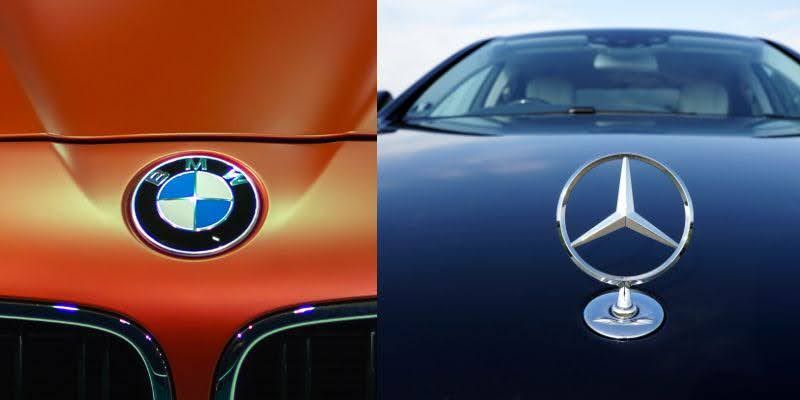
BMW vs Mercedes-Benz
When it comes to luxury cars, two names consistently stand out: BMW and Mercedes. These German automotive powerhouses have been at the forefront of engineering excellence, innovative design, and cutting-edge technology for decades. For prospective buyers navigating the premium car market, choosing between these iconic brands can be a daunting task. This BMW or Mercedes comparison aims to shed light on the key aspects that differentiate BMW and Benz, helping you make an informed decision.
Brand History:
BMW (Bayerische Motoren Werke):
Founded in 1916, originally as an aircraft engine manufacturer
Transitioned to motorcycles and automobiles after World War I
Known for sporty performance and the tagline "The Ultimate Driving Machine"
Mercedes-Benz:
Traces its roots to 1886 with Karl Benz's first petrol-powered car
Merger of Daimler-Motoren-Gesellschaft and Benz & Cie in 1926
Renowned for luxury, innovation, and the three-pointed star logo
Both brands boast rich histories and have significantly shaped the automotive industry. While BMW has cultivated a reputation for sportiness and driving dynamics, Mercedes-Benz is often associated with luxury and prestige.
Model Lineup Comparison:
BMW:
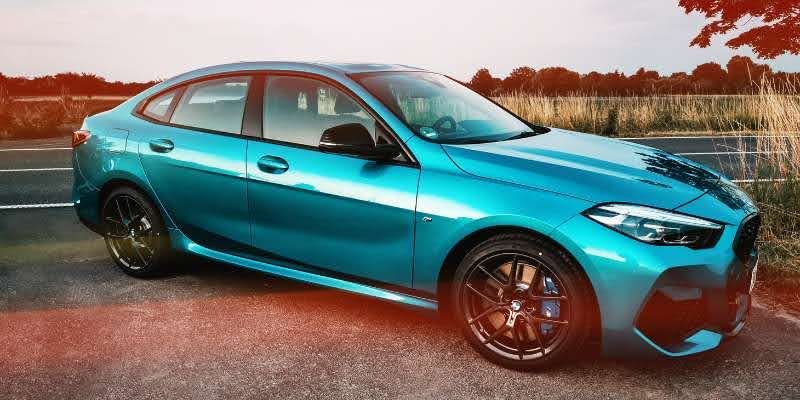
Saloon: 2 Series, 3 Series, 5 Series, 7 Series
SUVs: X1, X3, X5, X7
Sports cars: Z4, 8 Series
Electric: i3, i4, iX
Mercedes-Benz:
SUVs: GLA, GLC, GLE, GLS
Sports cars: AMG GT, SL-Class
Electric: EQA, EQC, EQS
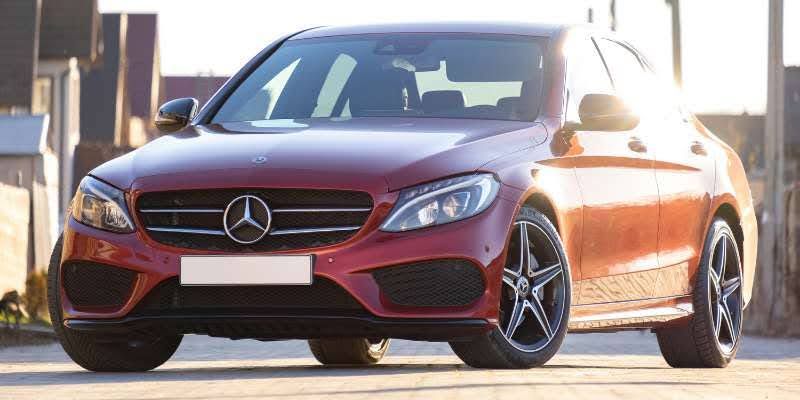
Both manufacturers offer a comprehensive range of vehicles across various segments. Mercedes-Benz tends to have a slightly broader lineup, especially in the luxury saloon category.
Reliability & Durability:
Both BMW and Mercedes have made significant strides in improving reliability in recent years, but ongoing maintenance is crucial for both. Many potential buyers wonder, "Are Mercedes reliable?" and “BMW and Mercedes, which is better?” Recent surveys suggest that while Mercedes-Benz often edges out in long-term reliability, BMW generally scores slightly higher in initial quality.
According to recent reliability surveys:
BMW generally scores slightly higher in initial quality
Mercedes-Benz often edges out in long-term reliability
Common Issues:
BMW: Electric system problems, coolant leaks
Mercedes-Benz: Air suspension failures, transmission issues
Both brands have made significant strides in improving reliability in recent years, but ongoing maintenance is crucial for both.
Performance & Driving Experience:
When considering BMW or Mercedes, performance is often a key factor. BMW is known for responsive handling and sporty driving dynamics, while Mercedes-Benz focuses on comfort and refinement.
BMW:
Known for responsive handling and sporty driving dynamics
Typically offers more powerful base engines
Favours rear-wheel drive layouts
Mercedes-Benz:
Focuses on comfort and refinement
Excels in ride quality and noise isolation
Offers a range of high-performance AMG models
Performance metrics vary by model, but generally:
BMW often has a slight edge in acceleration and top speed
Mercedes-Benz prioritises smooth power delivery and comfort
Safety:
Both manufacturers prioritise safety, offering:
Advanced driver assistance systems
High crash test ratings
Innovative safety technologies
Notable Features:
BMW: Active Protection System, Driving Assistant Professional
Mercedes-Benz: PRE-SAFE, DISTRONIC PLUS with Steering Assist
While both brands excel in safety, Mercedes-Benz has historically been seen as a pioneer in automotive safety innovations.
Luxury & Comfort:
Interior Quality:
BMW: Modern, driver-focused designs with high-quality materials
Mercedes-Benz: Opulent interiors with a focus on luxury and craftsmanship
Seating Comfort:
BMW: Supportive seats designed for engaging driving

Mercedes-Benz: Plush seating with extensive adjustment options

Both brands offer premium features like ambient lighting, high-end sound systems, and customisable interiors.
Technology & Infotainment:
Infotainment Systems:
BMW: iDrive system, known for its user-friendly interface
Mercedes-Benz: MBUX (Mercedes-Benz User Experience), featuring advanced voice control
Both Offer:
Large touchscreens
Smartphone integration
Over-the-air updates
Mercedes-Benz's MBUX system is often praised for its natural language processing, while BMW's iDrive is noted for its intuitive operation.
Value For Money:
Pricing:
BMW tends to be slightly less expensive in comparable model segments
Mercedes-Benz often commands a premium, especially in higher-end models
Cost Of Ownership:
Both brands have similar maintenance costs
Depreciation rates are comparable, with slight variations by model
Resale Value:
Both retain value well compared to non-luxury brands
Specific models from each brand may outperform others in resale value
Which Is Better?
The debate of "BMW and Mercedes: which is better?" often comes down to personal preference and priorities. Both BMW and Mercedes offer exceptional vehicles that cater to different aspects of the luxury car experience. BMW tends to appeal more to driving enthusiasts, while Mercedes-Benz often attracts those seeking the utmost in comfort and prestige.
Choose BMW If You Value:
Sporty driving dynamics
More powerful base engines
A slightly more modern, tech-forward interior design
Choose Mercedes-Benz If You Prioritise:
Luxurious comfort
Smooth ride quality
Traditional luxury aesthetics
In the BMW vs Mercedes comparison, both brands showcase why they're leaders in the luxury automotive market. Whether you prefer the sportiness of BMW or the opulence of Mercedes-Benz, both manufacturers offer high-quality vehicles with distinct characteristics. Test driving models from both BMW and Benz is highly recommended to get a firsthand feel for their unique qualities and to determine which best suits your needs and preferences.